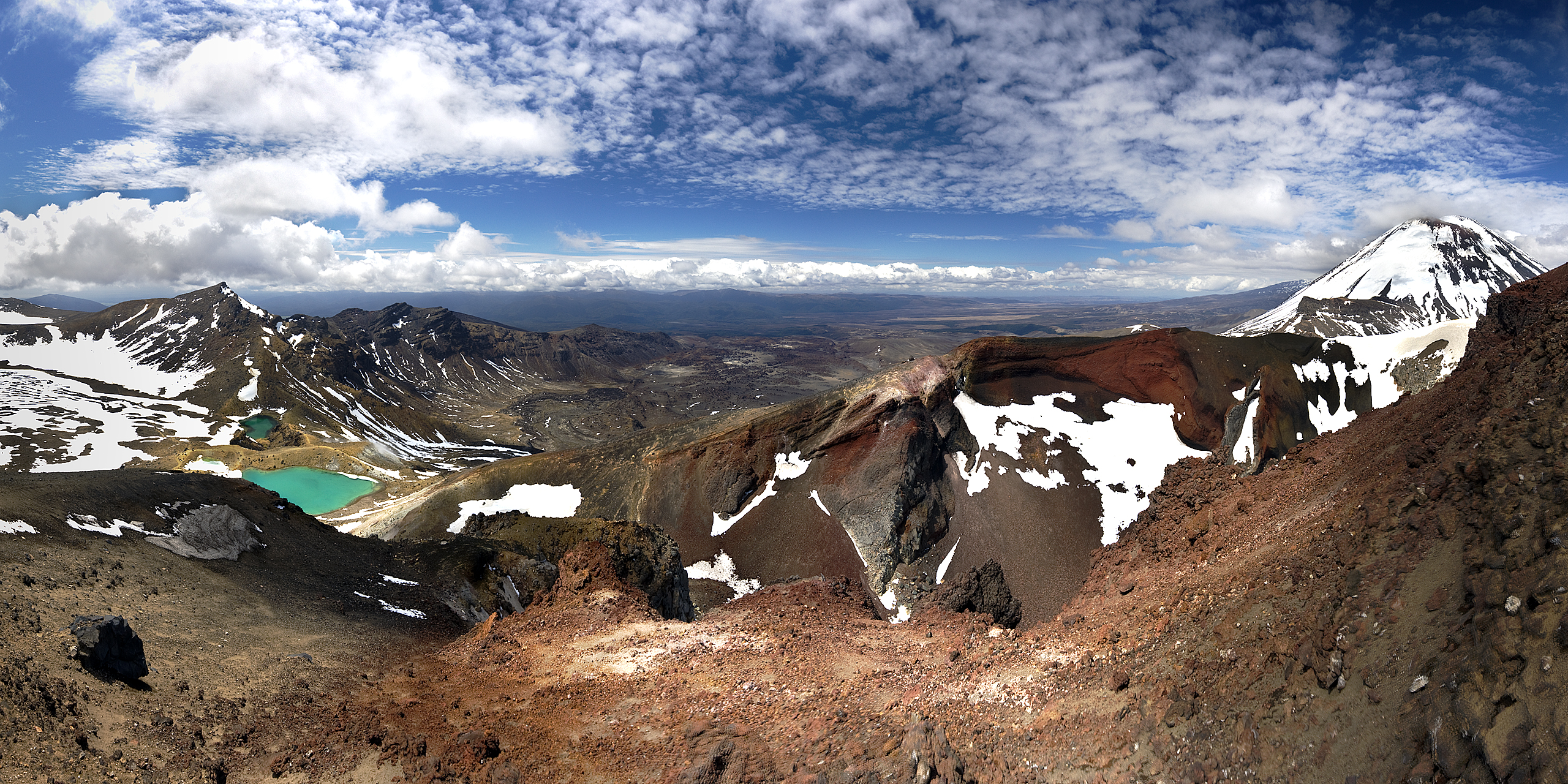
Photo by Flickr user Jeff Pang
Sometimes I feel like we are all a bit like the Hobbits in Tolkein’s Lord of the Rings. Those of us crazy enough to witness the treatment of our planet, its resources biotic and abiotic, sentient and silent, and still push for another way, we are each like Frodo in that we each have something unique to offer, and in that way we have a unique burden to carry. Yet like our unsuspecting hobbit hero, we are carried by supporters of all kinds. If we did not have each other helping to carve out this new alternative, which of us could succeed? Harmony happens when different voices come together. Success is not an individual accomplishment but that of the collective. What good is it for one person to feel that they are living sustainably when the rest of their community is struggling behind?
Like Tolkein’s hobbits we are surprised that this burden should fall on us; we look for others to take responsibility or blame but at the end of the day the searching is futile. It could be argued that those of us fortunate enough to attend university have a responsibility to share our knowledge and skills with our community. In Canada, where tuition is still to some degree supported by tax-payers, this obligation is more tangible. While I am immensely grateful for the opportunity to get an education, lately I find myself intimidated by the gravity of keeping up my own end of the bargain. Aldo Leopold warns us that:
“one of the penalties of an ecological education is that one lives alone in a world of wounds. Much of the damage inflicted on land is quite invisible to laymen. An ecologist must either harden his shell and make believe that the consequences of science are none of his business, or he must be the doctor who sees the marks of death in a community that believes itself well and does not want to be told otherwise”.
Yet I am hopeful that we are on the threshold of moving beyond this aloneness. I see the work being done by my peers, I see the dedication of my professors and mentors, and I am reminded that I am simply one small piece of my community and surrounding ecosystem, collectively my “communosphere” as one mentor suggested. In striving for a common goal, we each have a responsibility to each other, to encourage each person to succeed with her or his unique skill set, and to not judge her or him for having a different perspective than one’s own.
It is in moments like that night in Dawson’s creek by the river, pondering my role as a scientist while advocating for the necessity of art in social change, that I am reminded of the utmost importance of diversity. Were we all to take the same approach to solving the problem of a sustainable future there would inevitably be holes in our solution. By taking varied approaches, we encircle and envelop the problem from all angles like an amoeba consuming an unsuspecting bacterium. It might be the slow route, and it is most certainly not going to be easy, but in the end it is more complete, and more in line with the tendency of Nature to choose small and slow solutions.
 Soil in the City