Soil science may just be the missing link for new food producers. On top of managing organic matter through composting, it’s also important to understand the inherent characteristics of the land you’re growing on which includes the amount of clay present, the ability of your soil to drain, and the potential for erosion in your soils. I’ve put together some handy, interactive tools that you can use to better understand your soils without buying a textbook or getting too bogged down in jargon:
- SOILx is a web based soil information service that takes soil data “from the earth to the cloud”. It allows users to search for sites based on soil type, ecosystem, or location. SOILx started with data from other SoilWeb projects, but the site is designed for user generated input. Traditional soil maps, along with descriptive Soil Survey Reports, are available through the Canadian Soil Information Service. Be warned, you will encounter jargon here.
- For help making management decisions based on your farm’s location, the BC Ministry of Agriculture has Soil Publications and Factsheets for several key growing areas in the province. All are available for free online, soil jargon may be present.

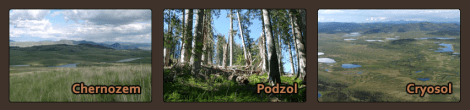
- Soil professionals often base their management decisions on their knowledge of different soil types. If you want to learn about the how soils are classified in Canada, SoilWeb has a beginner friendly Soil Classification site. This tool will take you through the basics of each of the 10 soil orders. You can go into even more detail at Soils of Canada, a tool put together by the Canadian Society of Soil Science.
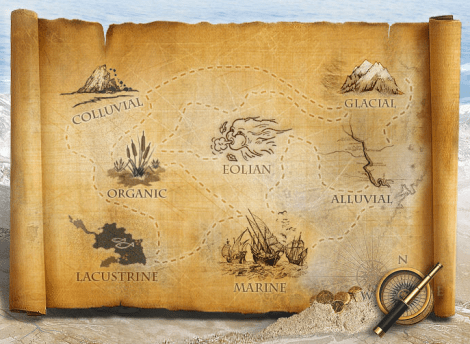
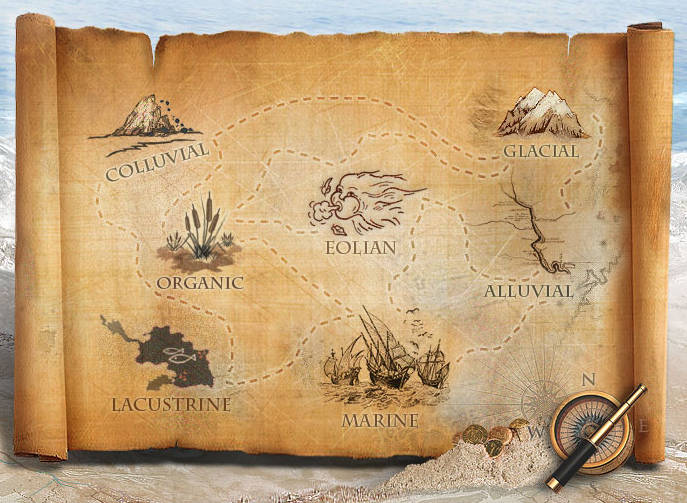
- If all that classification leaves you wondering just how your soil got there in the first place, you can learn about the factors and processes of soil formation through SoilWeb’s Soil Formation and Parent Material tool that guides you through different soil landscapes.
- If you’re a high school teacher, you might just consider including soil science in your curriculum after taking a look at Soil4Youth, a creative, interactive site with resources for students and instructors.

None of these resources can replace the value of a face to face conversation with a soil scientist. To connect with your local soils professionals, get involved with the Pacific Regional Society for Soil Science. With field trips around the province and social events like Dirty Drinks, you can learn about Podzols while enjoying a microbrew. You can find them on Facebook and twitter @thePRSSS.
 Soil in the City